Online Therapy in Calgary & Across Ontario | English & Mandarin
Therapy for Women Navigating Relationships & Trauma
Support for relationship difficulties, recurring patterns, and the lasting impact of difficult experiences. When the past continues to affect the present, trauma therapy and EMDR can help you process what still feels unresolved.

Relationship Therapy • Trauma & EMDR • Immigrant & Cross-Cultural Experiences
You Can Be Capable — and Still Feel Lost in Relationships

As a woman, you may carry a lot in everyday life—work, family, relationships, responsibilities, and decisions. Others may see you as strong and capable.
But certain relationships can bring out a very different side of you.
You may find yourself thinking:
“We keep having the same argument, and nothing ever changes.”
“I want to move past the betrayal, but I just can't stop thinking about it.”
“I know I need boundaries with my parents, but I feel so guilty.”
“I love my family, but being around them brings out a different side of me.”
“My teenager says one thing and suddenly I'm much more upset than I want to be.”
“I keep putting everyone else's needs first. What about me?”
“One comment from my manager can make me question myself all day.”
“I know this relationship isn't good for me. Why is it so hard to let go?”
“Why do I keep ending up in the same kind of relationship?”
Maybe one of these feels familiar. Maybe several do.
Sometimes you know why a relationship affects you so deeply. Other times, you only know that the same feelings or reactions keep showing up.
Therapy can give you space to understand what's happening and begin finding a different way forward. You don't have to have it all figured out before you begin.
Relationships Can Be Complicated…
Relationships can be some of the most meaningful parts of our lives, and also some of the hardest.
You may be struggling with one relationship right now, or noticing similar difficulties showing up in different parts of your life.
Romantic & Partner Relationships
Recurring conflict, emotional distance, infidelity or betrayal, difficulty trusting, unhealthy relationship patterns, separation or divorce.
Parents & Family Relationships
Difficult relationships with parents, family expectations, guilt and obligation, boundaries, sibling relationships, or ongoing family conflict.
Parenting & Relationship with Children
Parenting stress, conflicts with children or teens, feeling easily triggered, or disagreements with your partner about parenting and family expectations.
Work & Other Relationships
Difficult coworkers or managers, workplace conflict, people-pleasing, difficulty saying no, criticism, friendships, or boundaries.
Your Relationship With Yourself
Self-doubt, perfectionism, harsh self-criticism, difficulty trusting your own decisions, losing yourself in relationships, or feeling like you're never quite enough.

Sometimes What’s Happening Now Has a Longer Story
Not every relationship difficulty comes from trauma or the past. But sometimes, what happens in our relationships today makes more sense when we understand the experiences and relationships that came before.
Maybe you learned to keep the peace, put other people’s needs before your own, work hard for approval, or stay quiet rather than risk disappointing someone.
Difficult relationships, betrayal, rejection, loss, or other painful experiences can also continue to shape how you feel, respond, and relate to others today.
Past Experience
Culture & Immigration
For immigrant and cross-cultural women, relationships can carry additional layers of family, culture, and identity.
Family expectations, changing roles after immigration, relationships with parents across countries, parenting between cultures, or finding your own voice between different values can all shape how you experience relationships today.
I won’t assume that everything comes from your culture or your past, but I also won’t ask you to leave those parts of yourself outside the therapy room.
What Therapy With Me Can Look Like
*
What Therapy With Me Can Look Like *
01 — Notice Your Patterns
Recognize the triggers, thoughts, emotions, and relationship patterns that keep repeating. Understanding what pulls you into the same reactions can help you feel less confused and more aware of your choices.
02 — Build Practical Tools
Learn practical ways to feel more grounded when emotions run high, communicate what you need, set boundaries with less guilt, and respond differently when familiar challenges show up.
03 — Explore What’s Underneath
Explore how earlier relationships, family experiences, culture, immigration, or painful experiences may be shaping how you feel and respond today—and why some patterns can be so difficult to change.
04 — Heal & Move Forward
When the past still feels emotionally present, we can work more deeply with those experiences, including through EMDR when appropriate, so they have less influence on how you feel and relate today.
Meet Tong
Every Story Deserves to Be Understood


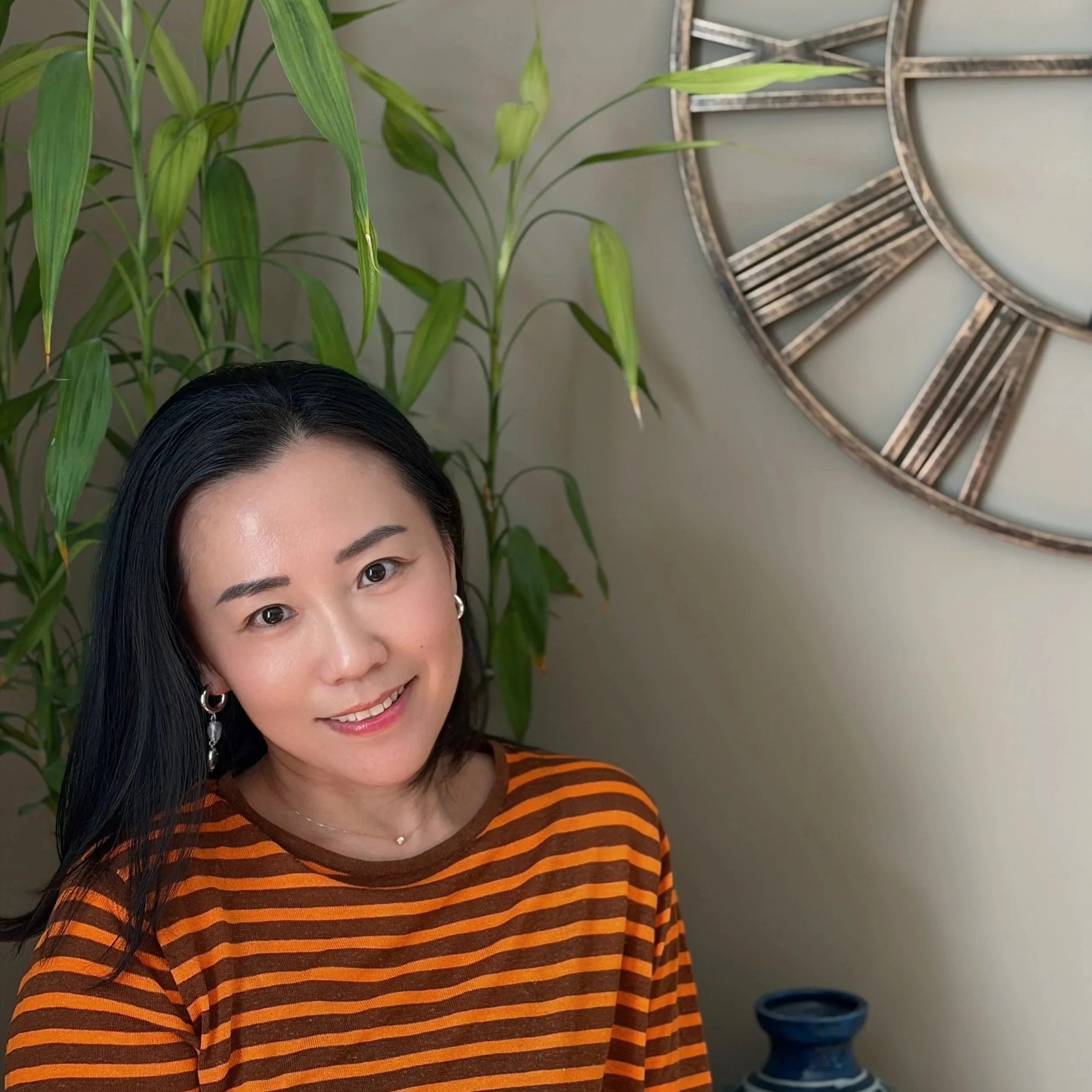
Tong Tong
MACP, CCC, RP (Qualifying)
Hi, I'm Tong.
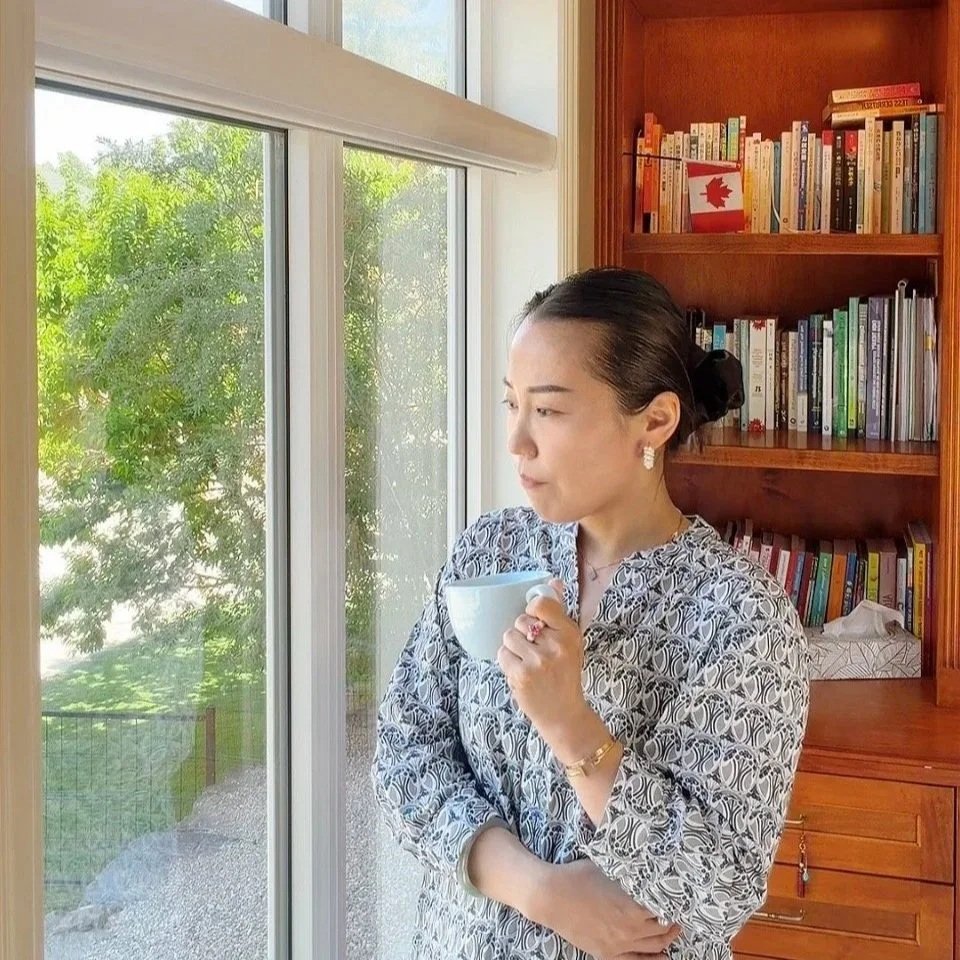
I’m a Canadian Certified Counsellor and Registered Psychotherapist (Qualifying), based in Calgary and providing online therapy in English and Mandarin to clients in Alberta and Ontario.
Before becoming a therapist, I spent more than 15 years working in the corporate world in China before starting a new chapter in Canada. I’ve experienced career change, immigration, raising a family across cultures, and rebuilding a professional identity in a second language.
These experiences have given me a personal understanding of the many roles women carry—and how relationships, family expectations, culture, immigration, and our own needs can sometimes pull us in different directions.
As a therapist, I’m especially drawn to working with women who may appear strong and capable on the outside, but feel anxious, hurt, uncertain, or stuck in important relationships.
My style is warm, collaborative, and practical. We’ll work with what’s happening today while making space for the experiences that may still be affecting you.
How We Can Work Together
Individual Therapy for Women
For relationship difficulties, family and parenting concerns, anxiety and overthinking, people-pleasing, boundaries, self-doubt, and patterns you’re ready to understand and change.
Trauma & EMDR Therapy
For experiences from the past that continue to affect your emotions, beliefs, relationships, or body responses, we can explore trauma-focused approaches including EMDR and CPT when appropriate.
Couples Therapy
For couples navigating recurring conflict, communication difficulties, betrayal, emotional disconnection, or feeling stuck in the same patterns with each other.
What You May Work Toward
-
Understanding why certain situations affect you so strongly
-
Responding differently instead of automatically
-
Feeling more confident in your own decisions
-
Setting boundaries with less guilt
-
Building healthier patterns in your relationships
-
Having practical ways to handle difficult moments