
About Tong
Therapy for Women Who Carry a Lot, and Don’t Always Have Space for Themselves
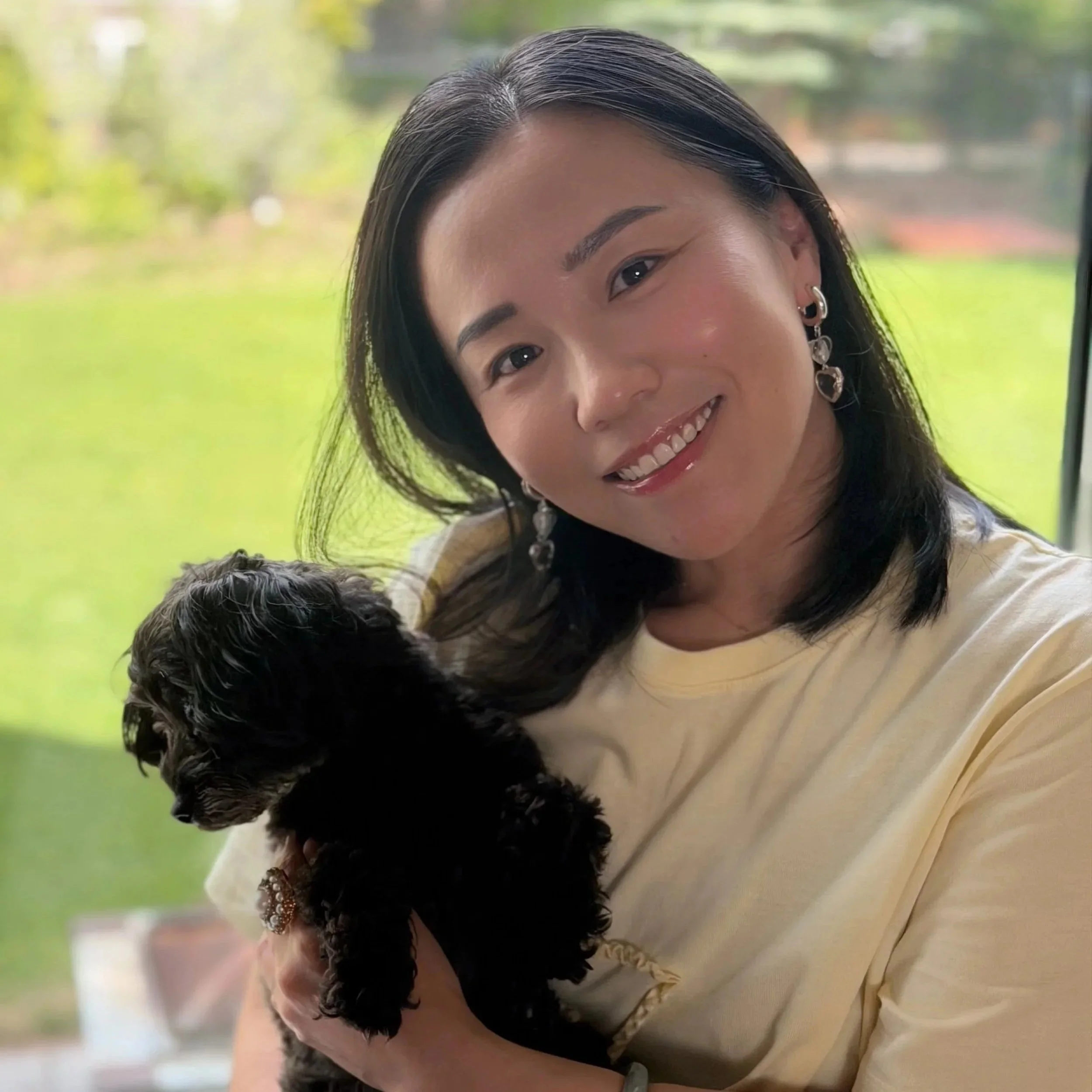
Hi, I’m Tong.
I’m a Canadian Certified Counsellor (CCC) and Registered Psychotherapist (Qualifying), based in Calgary and providing online therapy in English and Mandarin across Alberta and Ontario.
I work especially with women navigating difficult relationships, recurring patterns, and past experiences that continue to affect how they feel about themselves and connect with others.
But before I became a therapist, my own path looked quite different.
From Corporate Life to Counselling

Before becoming a therapist, I spent more than 15 years working in the corporate world in China. After moving to Canada, I began a new chapter, raising a family across cultures, returning to school, changing careers after 40, and rebuilding my professional identity in a second language.
These experiences have shown me how much women can carry. We may move between many roles—professional, partner, mother, daughter, caregiver- while becoming very good at being responsible, meeting expectations, and taking care of others.
Yet even capable, independent women can feel very different in certain relationships—overthinking, doubting themselves, struggling to say no, or putting their own needs aside.
This is part of why I’m drawn to working with women: helping you understand the patterns that keep showing up, make space for your own needs, and have more choice in how you want to move forward.
What It’s Like to Work With Me
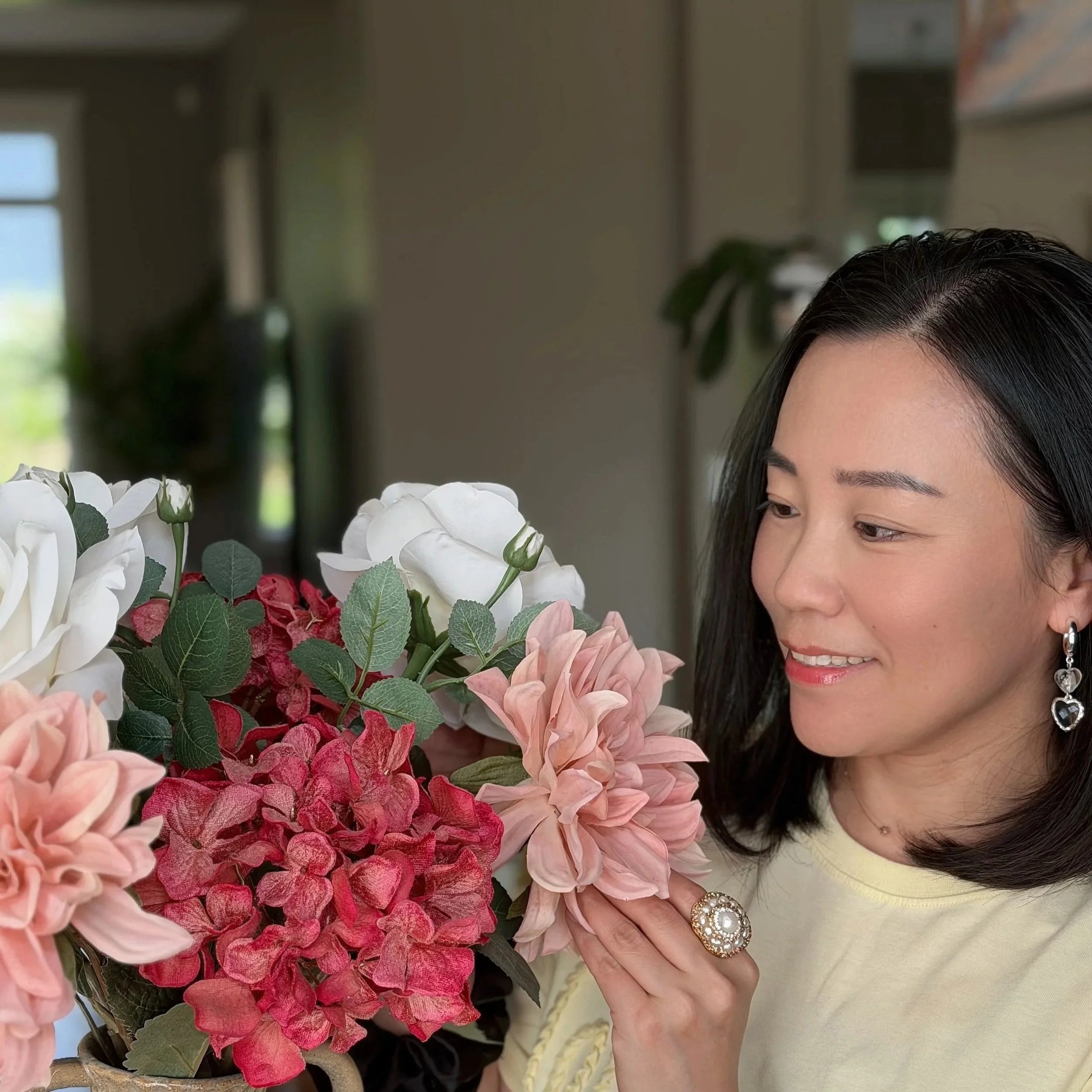
My style is warm, collaborative, curious, and practical.
I won’t simply sit back and expect you to figure everything out on your own. I’ll ask questions, help you notice patterns, offer another perspective when it may be useful, and share practical strategies you can use outside the therapy room.
When it feels helpful, we can also explore what may be underneath a recurring reaction or relationship pattern—earlier relationships, family experiences, cultural expectations, or painful experiences that may still carry emotional weight.
When something from the past continues to feel emotionally present, we can consider deeper trauma-focused work, including EMDR when appropriate.
Sometimes we work with what is happening today. Sometimes we go deeper. Often, we do both.
My Professional Background
I hold a Master of Arts in Counselling Psychology (MACP) and am a Canadian Certified Counsellor (CCC) and Registered Psychotherapist (Qualifying).
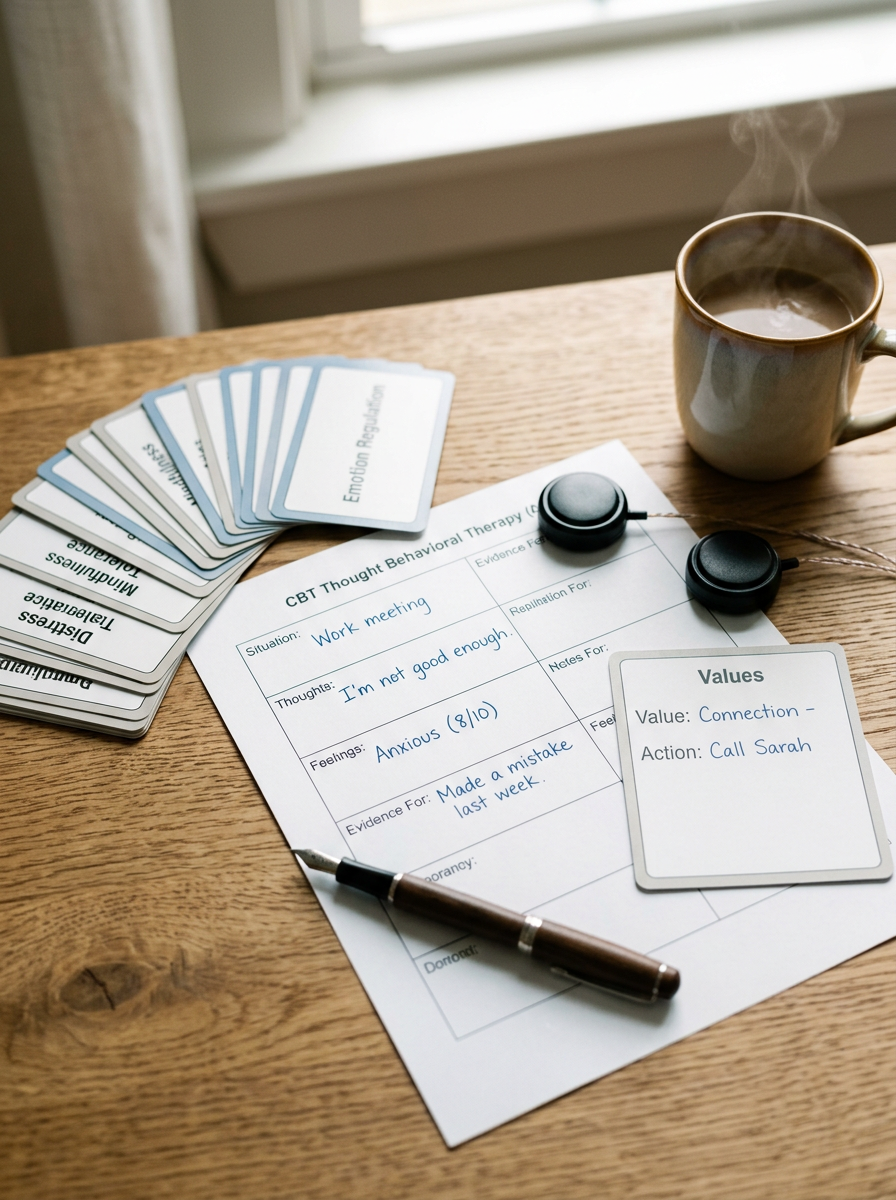
My training and clinical work draw from approaches including:
-
CBT can help you recognize how thoughts, emotions, and behaviours influence one another. We may use it to challenge unhelpful beliefs, reduce avoidance, and develop more balanced ways of responding.
-
ACT supports you in making room for difficult thoughts and emotions without allowing them to control every decision. It can help you reconnect with your values and take meaningful action, even when discomfort is present.
-
DBT-informed strategies can help when emotions feel intense or difficult to manage. You may learn practical skills for regulating emotions, tolerating distress, communicating effectively, and responding less impulsively.
-
EMDR may be helpful when painful experiences continue to affect your emotions, body, relationships, or sense of safety. It supports the brain in processing distressing memories so they feel less overwhelming in the present.
-
CPT is an evidence-based trauma therapy that helps you identify and work through beliefs that may develop after difficult experiences—such as self-blame, feeling unsafe, difficulty trusting, or believing something is wrong with you.
-
Evidence-based tools to help couples improve communication, understand conflict patterns, and strengthen connection.
-
Your experiences are understood within the context of your relationships, family, culture, identity, and life experiences. We work at a pace that respects safety, choice, and readiness without asking you to separate important parts of yourself from therapy.
Rather than using one approach for everyone, I draw from different methods depending on what you're experiencing, what you hope will be different, and what feels appropriate for you.

You Don’t Have to Have Everything Figured Out Before You Begin
You may know exactly what you want help with. Or you may simply know that something in your relationships, your past, or the way you feel about yourself doesn't feel right anymore.
Either is enough to start a conversation.
A free 20-minute consultation gives us a chance to talk about what brings you to therapy, answer your questions, and see whether working together feels like a good fit.